

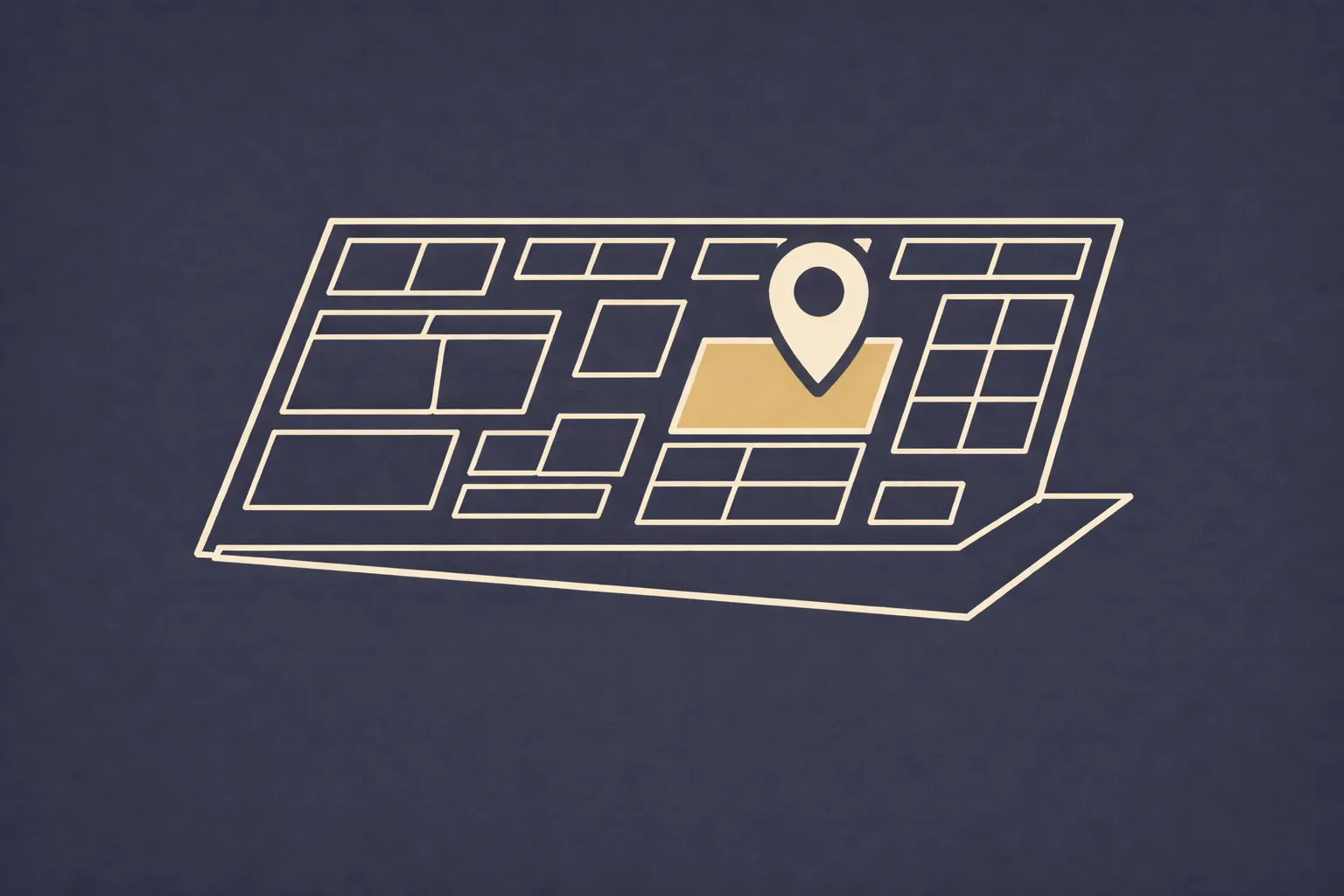
Inline booth, corner booth, island booth…
In North America, the type of booth assigned at a trade show is never a trivial detail.
It directly affects your visibility, booth design, technical requirements, and often your overall exhibition budget.
Understanding these booth configurations is essential to designing a booth that is effective, compliant with show regulations, and delivers results.
Why is your booth type a strategic decision?
Unlike many European trade shows, North American trade shows impose strict rules based on booth location, including:
- Maximum permitted height
- Required or optional side walls
- Exposure on one, two, three, or four aisles
- Whether a hanging sign is permitted
- Restrictions related to neighboring booths
Designing a booth without considering its assigned booth type can mean having to redesign everything at the last minute.
The Main Booth Types in North America
Inline Booth
An inline booth is located between two neighboring booths, with exposure to a single aisle. It is the most common booth configuration at trade shows in the United States and Canada.
Key characteristics:
- One open side
- Mandatory back wall
- Height restrictions usually apply
Good to know:
Your booth design must be clear, readable, and impactful from the aisle. Every inch counts.
Corner booth
A corner booth is located at the intersection of two aisles. It offers two open sides, providing significantly greater visibility than an inline booth.
Advantages:
- Improved visitor flow
- More open design
- Greater natural visibility
 An excellent balance between budget and visibility.
Peninsula booth
A peninsula booth is open on three sides and is typically backed against another booth or a back wall.
Key advantages:
- High visibility
- Advanced design possibilities
- A more immersive visitor experience
Please note:
Height restrictions and line-of-sight rules may vary depending on each side of the booth.
Island booth
An island booth is completely open on all four sides. It offers the highest level of design freedom and is considered the most prestigious booth configuration.
Ideal for:
- Creating a strong brand experience
- Installing a hanging sign
- Maximizing 360° visibility
It is also the booth configuration that requires the greatest level of planning and expertise.
End-cap booth
An end-cap booth is located at the end of an aisle, typically facing a main traffic corridor.
Key advantages:
- Outstanding front-facing visibility
- A highly sought-after “storefront” effect
Ideal for capturing visitors’ attention at the entrance to an exhibit area.
The Merci Gustave Approach
Planning to reserve booth space at a trade show in the United States or Canada?
Contact us for a free consultation with one of our exhibition experts.